Why cheap charging infrastructure is the most expensive decision you'll make
A budget cart looks cheap on the day you buy it. Over five years it often costs more – in replacements, staff time and worn-out device batteries.
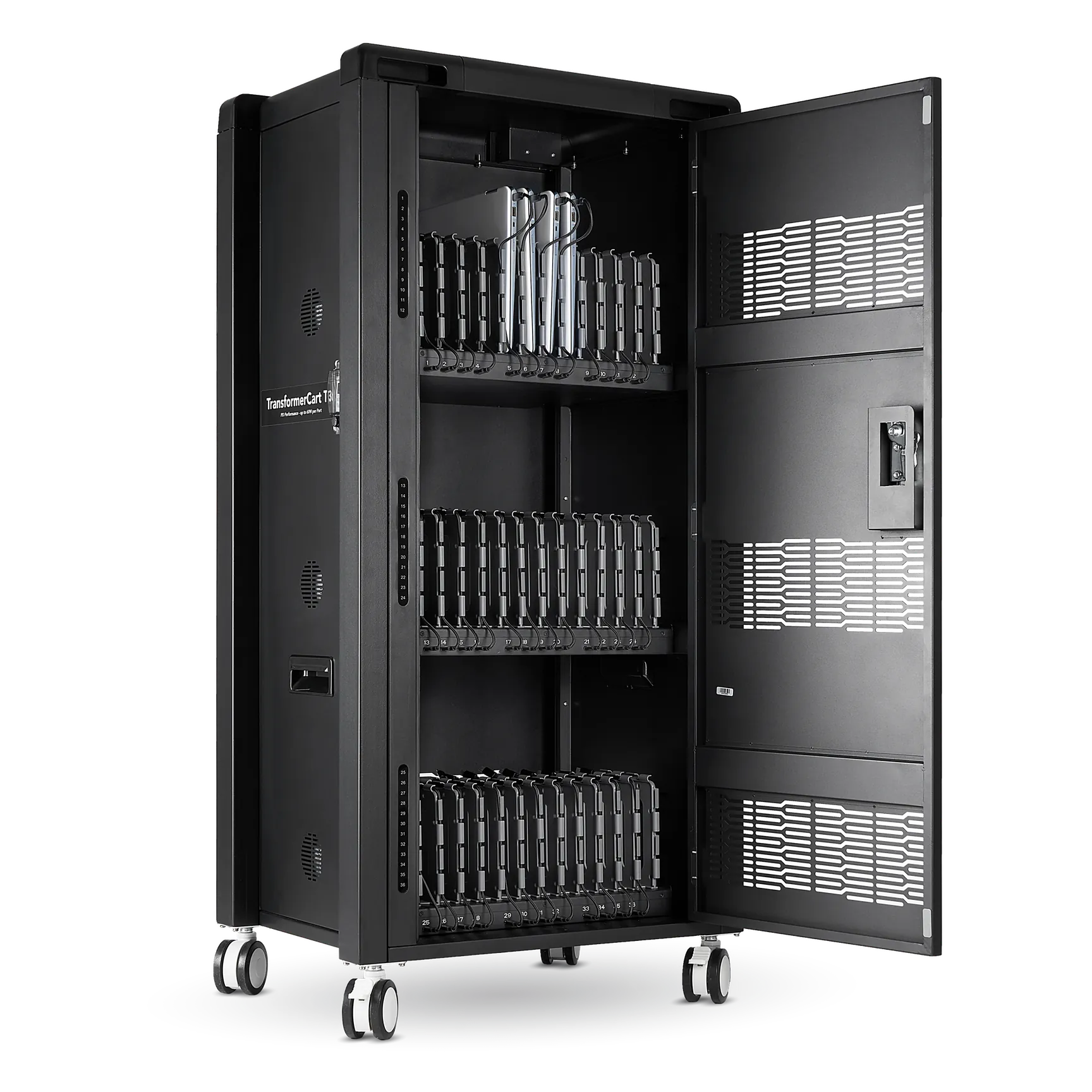
When schools invest in education technology, they look closely at the devices – which iPad, which Chromebook, which MDM. Then someone orders a charging cart from the first result on a procurement portal, and nobody thinks about it again.
Charging infrastructure is one of the most underestimated costs in school device programmes. It is treated as a commodity: a line item to tick off once the devices are chosen. Price is the main filter. Service life is rarely discussed, and compatibility with future devices almost never.
The result is predictable: charging equipment replaced every two to three years, unplanned costs that the budget was not built for, and disrupted device programmes. None of this has to happen. It is the result of short-term thinking about a long-term need.
The real cost of the cheapest option
Take a typical scenario. A school buys 30 tablets and adds a budget charging cart. Year one: everything works. Year two: cables fail, ports no longer deliver steady power, and devices arrive in class with less charge than expected. Year three: the cart has to be replaced.
That replacement was never in the budget. Neither was the staff time spent troubleshooting, the battery wear from two years of unstable charging, or the lessons disrupted by flat tablets on the first day of term. Multiply that by five class sets or a whole multi-academy trust, and the cost adds up quickly.
Future-proofing: is your setup built for USB-C PD?
One of the most important decisions a school can make right now is to build its charging around USB-C Power Delivery (PD).
USB-C PD is already the standard for modern devices. iPads, Chromebooks, Windows tablets and MacBooks – almost every new device in education charges via USB-C. The question is not whether USB-C will dominate. It already does. The question is whether your infrastructure can deliver the right wattage.
The wattage gap
Standard USB charging delivers around 5 watts. Modern tablets usually need 18 to 20 watts to charge at full speed, laptops up to 65 watts. A charging cart that cannot deliver USB-C PD at the right power is not future-proof – it is already falling short.
If you invest in USB-C PD today, your charging setup stays relevant as your devices change. You are not buying for the tablets you have now, but for the devices you will buy in three, four and five years.
Adaptability: more than the cable
Future-proofing is not only about the port. It is also about whether the hardware can adapt when devices change.
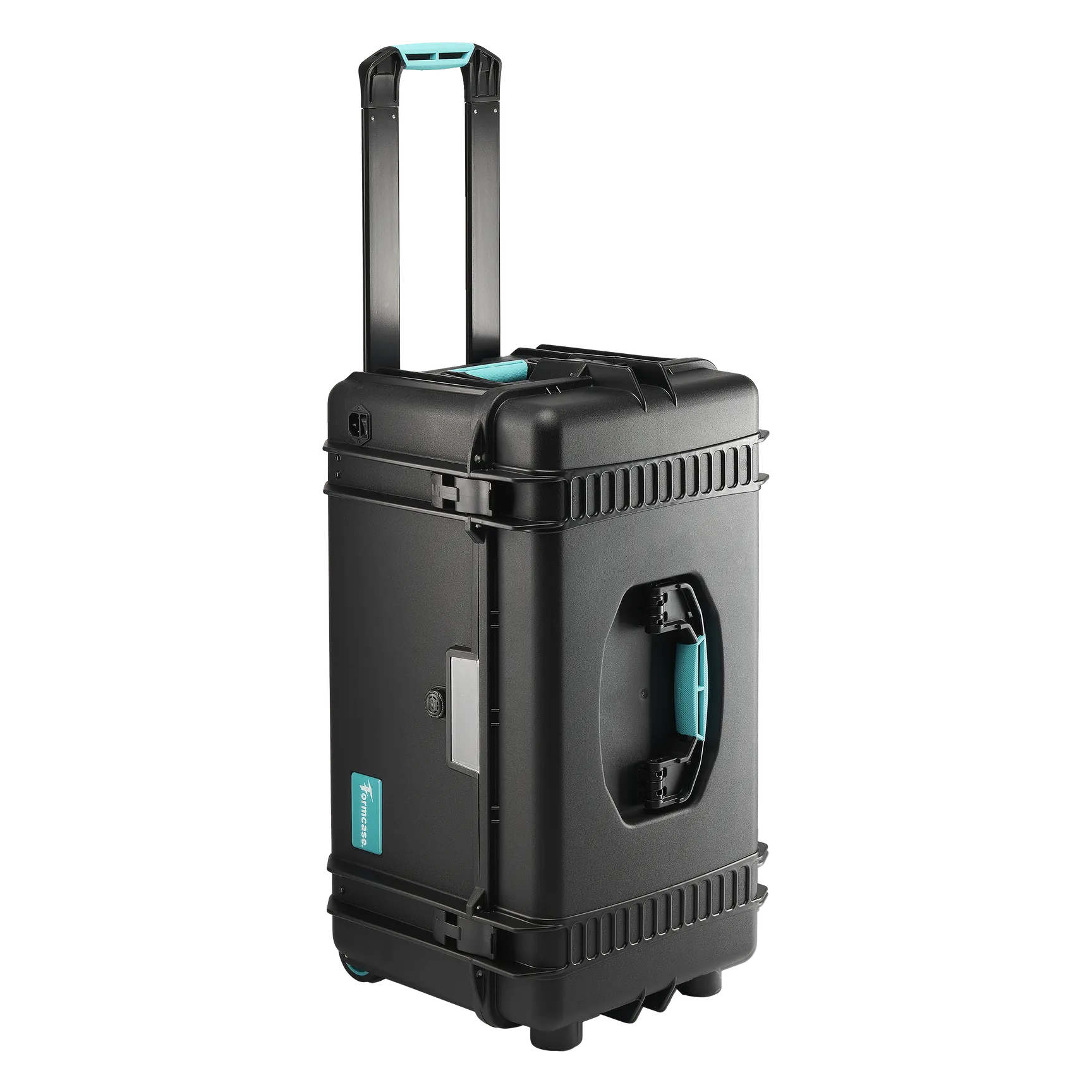
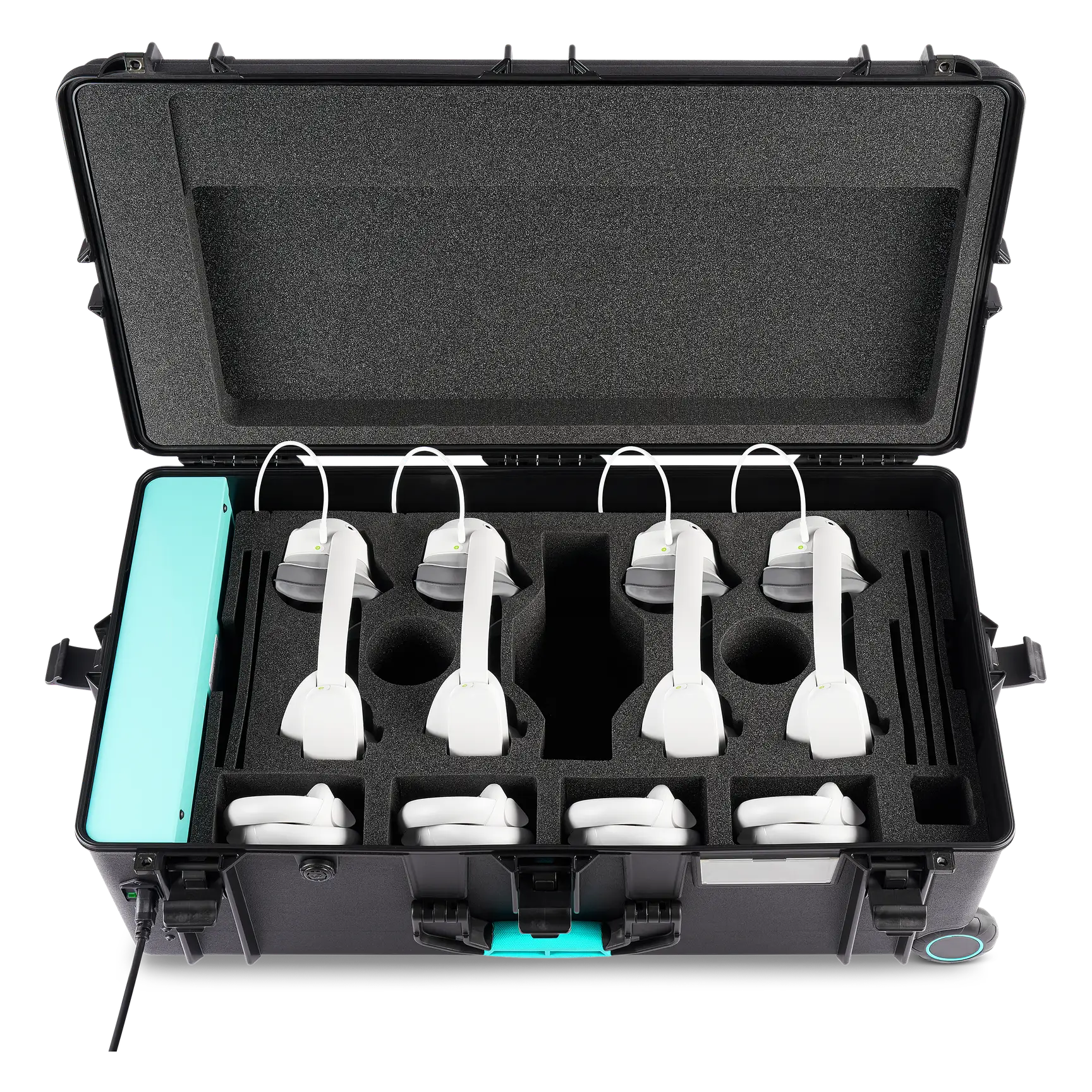
Think of a VR charging case moulded for exactly one headset model. When that model is replaced, the whole case becomes useless – even though the shell, the electronics and the lock still work perfectly. With a universal insert system, only the foam or cradle inside is replaced, and the rest stays in service.
The same applies to tablet charging cases. Well-made cases with adaptable interiors can take new device models without replacing the whole unit. Over a five-year device cycle, that flexibility saves a lot – especially for schools with many units across several sites.
Hidden damage: poor charging harms your devices
This part of the problem often goes unnoticed until it is too late. Cheap chargers often deliver unstable power. Voltage swings, no automatic cut-off and poor heat management all wear down the batteries over time.
The cost of a cheap charging solution is not just the cost of replacing the cart. It is also the cost of replacing the devices inside it earlier than planned. A device that has been charged badly for two years holds its charge less reliably, performs less consistently and needs replacing sooner.
Good charging infrastructure – with intelligent electronics that deliver the right power to each device, automatic cut-off when the battery is full, proper ventilation and certified safety – actively protects the devices. The return on that investment shows in every device that lasts longer.
The right question
Before you sign off on any charging solution, don't ask "what does this cost today?" Ask "what will this cost over five years?"
- Purchase price – but also how often cables need replacing and the expected service life
- Compatibility – with future device generations, not only today's devices
- Quality of power delivery – and its long-term effect on battery health
- Support – servicing, spare parts and backing from the manufacturer
A school that answers this question honestly will almost always choose a better solution than the one that looked cheapest on the day of purchase.
Schools that get it right the first time don't pay twice.
Formcase designs charging, storage and transport solutions for schools and companies that need infrastructure built to last – from USB-C PD charging cases and carts for current and future devices to universal inserts for different device models.
FAQ
What does future-proof charging mean for schools?
Charging that supports today’s devices and the next generations. Many schools now choose USB-C Power Delivery because it can charge tablets, laptops and newer high-power devices with one standard.
Why is USB-C Power Delivery better than standard USB?
USB-C PD charges faster, delivers more power and works with more devices. Laptops, Chromebooks, tablets and phones can all be charged with one standard.
How can schools avoid replacing charging equipment every few years?
Choose durable systems with certified safety, available spare parts, a solid warranty and inserts that can be changed when devices change.
What should schools look for in a long-term charging solution?
Intelligent charging electronics, ventilation, a secure lock, enough capacity for growth and certified safety.